LEFTY PREPPER MOM

  • Home
  • About
  • Blog
  • Preparedness
    • Where to begin
    • Bug-Out Bags
    • Basic Disaster Supplies
    • Car Preparedness
    • Medical Issues >
      • Medical Supplies
      • Health Preparedness
      • Disaster First Aid
    • Water Storage
    • Long Term Food Storage >
      • Food Shelf Life
      • Stocking Up
      • Food Preservation
      • How to Store Food
      • Where to Store Food
  • Survival
    • Cooking without Electricity
    • Gardening Basics
    • Sanitation & Laundry
    • Personal Hygiene
    • Security
    • Outdoor Survival
    • Starting a Fire
  • RESOURCES
  • SHOP
    • Books
    • Cooking Supplies
    • Emergency Kits
    • Food & Water Storage
    • Food Preserving
    • Sanitation
    • Medical Supplies
    • Gardening Supplies
    • Security
  • Home
  • About
  • Blog
  • Preparedness
    • Where to begin
    • Bug-Out Bags
    • Basic Disaster Supplies
    • Car Preparedness
    • Medical Issues >
      • Medical Supplies
      • Health Preparedness
      • Disaster First Aid
    • Water Storage
    • Long Term Food Storage >
      • Food Shelf Life
      • Stocking Up
      • Food Preservation
      • How to Store Food
      • Where to Store Food
  • Survival
    • Cooking without Electricity
    • Gardening Basics
    • Sanitation & Laundry
    • Personal Hygiene
    • Security
    • Outdoor Survival
    • Starting a Fire
  • RESOURCES
  • SHOP
    • Books
    • Cooking Supplies
    • Emergency Kits
    • Food & Water Storage
    • Food Preserving
    • Sanitation
    • Medical Supplies
    • Gardening Supplies
    • Security

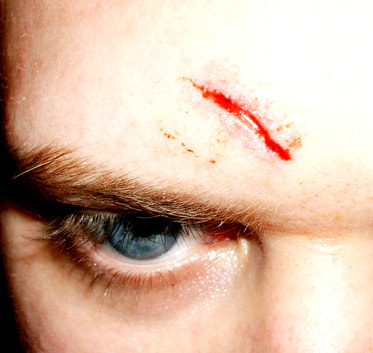
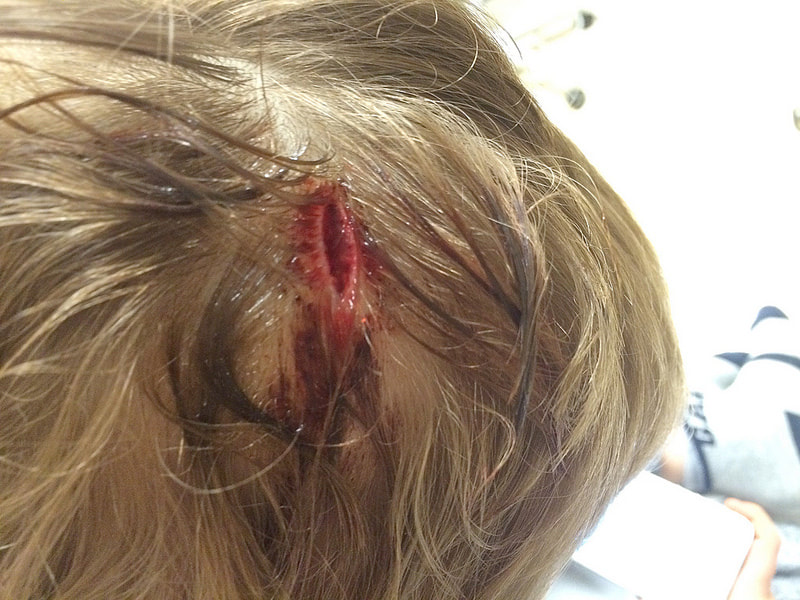
Lacerations

Lacerations are cuts to the skin, usually caused by a sharp object.

Evaluation:
​
  • Is the wound actively bleeding?
  • How deep is the laceration?
  • Is there any sign of a wound infection (pus or swelling and redness of the wound)?
  • Is there any other injury like a broken bone ?
Picture
Picture
Treatment:
​

- Stop the bleeding
  • Apply direct pressure until bleeding stops. This may take >5 minutes. 
  • If wound is very deep then direct pressure may not work
  • If bleeding continues to be severe, apply a pressure dressing (see below), and if still severe, apply a tourniquet. 
- Clean the wound
  • Wash thoroughly with tap water (if available). Rinse for 2-3 minutes if possible.
  • If no running water, rinse with as much clean water as available (preferably at least a gallon)
- Close the wound (if wound large and/or won't stop bleeding)
  • Use a butterfly bandage
  • Apply tissue adhesive or super glue (new tube/never opened)
  • Use skin stapler (if available)
  • Use strips of tape (tear duct tape into smaller pieces)
  • Stitches (if wound is gaping or large) - can use needle and thread
- Apply bandage(s)
  • Apply antibiotic ointment or Vaseline to wound or to bandage
  • Cover wound completely with clean bandage(s)
  • Tape bandage into place or wrap with elastic/ACE wrap
  • If bleeding heavy/won't stop, apply a pressure dressing (see below)
Picture
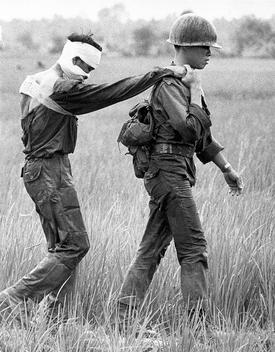
Pressure Dressings:
If bleeding continues after pressure applied to wound manually, then a pressure dressing may be needed.
  • Apply a large wad of bandages/dressings to the wound, then wrap the area with sterile gauze, a scarf, an elastic bandage or other clean material around the body part.
  • The wrap should be tight enough to keep the wad of dressings in place, but not so tight that they cut off circulation.
  • Check the limb intermittently to make sure circulation is OK (no blue, white or pulseless limbs)
Proudly powered by Weebly
Photos from juhansonin, Jo Naylor, manhhai haru__q